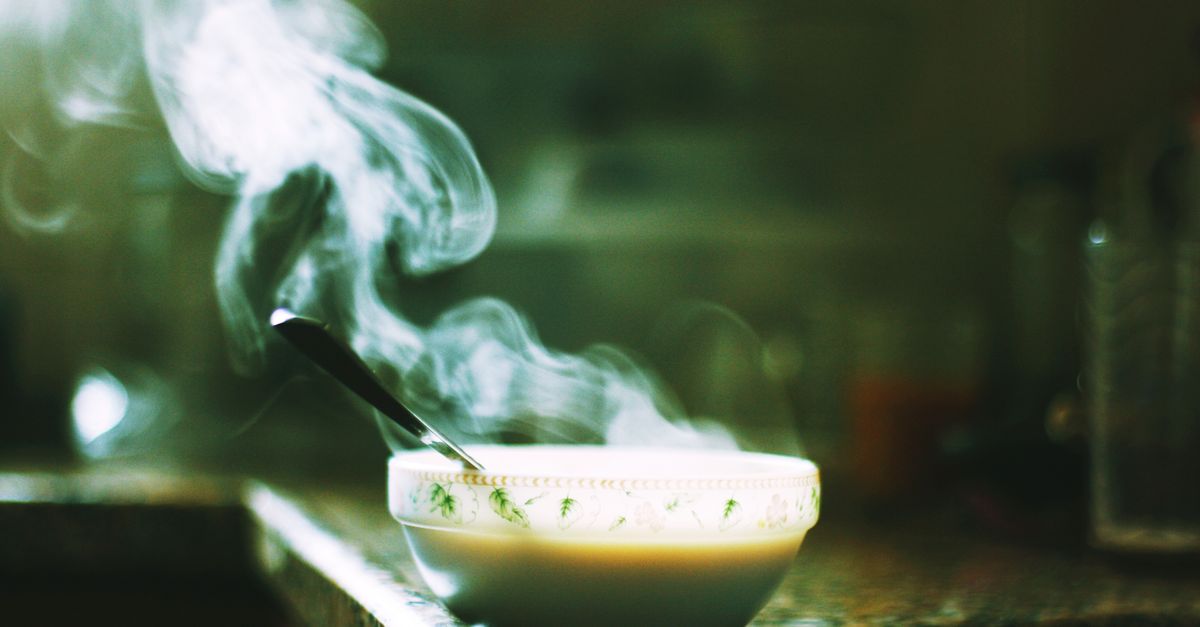
Why Your Homemade Soup is Watery (And The Pro Secrets for Rich, Satisfying Bowls Every Time)
Are you tired of pouring your heart into a pot of homemade soup, only to ladle out a thin, watery broth that feels more like flavored hot water than a satisfying meal? I’ve been there. For years, my soups were consistently disappointing – a pale imitation of the robust, comforting bowls I craved. I’d follow recipes diligently, chop my vegetables with care, and simmer for hours, yet the result was always the same: thin, insipid, and utterly forgettable. It wasn’t just about taste; it was about texture, mouthfeel, and that elusive ‘coziness’ that a truly great soup delivers. The mistake I see most often, and one I made repeatedly, is thinking that more simmering automatically equals more flavor and body. While simmering does concentrate flavors, it doesn’t magically create the necessary richness and thickness if the foundational elements aren’t there. What changed everything for me was understanding that a truly great soup is built in layers, with intentional choices for thickening and flavor extraction right from the start, not just hoping it all comes together in the end. It’s about proactive steps that transform a simple broth into a culinary masterpiece.
Key Takeaways
- Embrace roux or vegetable purées as intentional thickening agents from the start, rather than relying solely on prolonged simmering.
- Build flavor depth with aromatic bases, browned vegetables, and concentrated ingredients before adding liquids.
- Incorporate ‘secret weapons’ like parmesan rinds or dried mushrooms to infuse umami without altering core flavors.
- Control the final texture by adjusting liquid gradually and considering a cornstarch or arrowroot slurry for last-minute body.
The Fatal Flaw: Relying Solely on Evaporation (And What to Do Instead)
The biggest misconception I battled, and one I often hear from others, is the idea that simmering a soup for a longer period will inherently thicken it. While evaporation does concentrate flavor and reduce volume, it’s a slow and inefficient way to build body, especially if your initial liquid-to-solid ratio is off. You can simmer for hours and still end up with a flavorful but thin broth. My epiphany came when I realized I needed intentional thickening agents, not just patient waiting.
My go-to now is a roux. A simple roux – equal parts fat (butter or oil) and flour, cooked for a minute or two – creates a velvety base that instantly adds body and richness. For a cream of mushroom soup, I’ll cook the mushrooms until deeply browned, remove them, then add butter and flour to the same pot, scraping up all those flavorful bits. This not only thickens but also locks in flavor. For gluten-free options, a cornstarch or arrowroot slurry (mixed with cold water first to avoid lumps) added at the very end works wonders for instant thickening, though it doesn’t offer the same foundational richness as a roux. Even simpler, blending a portion of your cooked vegetables directly into the soup can create a natural, healthy thickness without any added flour or starch, especially effective for creamy vegetable soups like butternut squash or potato leek. This creates a much more satisfying mouthfeel than just hoping evaporation will do the trick.
The Overlooked Power of a Concentrated Base
Many watery soups start watery because their foundational flavors are diluted from the get-go. Instead of just tossing ingredients into hot water, think about building layers of concentrated flavor before any significant liquid is added. This is the bedrock of a truly robust soup.
For example, when I make a minestrone, I no longer just sauté the onions and celery until soft. I take the time to really caramelize the onions until they’re golden brown and sweet, almost jammy. I brown carrots and celery with them, allowing the natural sugars to develop. Then, before adding any broth, I often deglaze the pot with a splash of dry white wine, scraping up all the sticky, flavorful bits from the bottom. This small step adds an incredible depth that a raw vegetable simply cannot. For a chicken noodle soup, I’ll roast the chicken bones with mirepoix until deeply golden, sometimes even a little charred, before making my stock. This pre-roasting step is a game-changer for a rich, golden broth. It’s about extracting the maximum flavor potential from each ingredient before it ever meets the liquid, ensuring your broth is already rich and savory, rather than relying on the subsequent simmer to magically infuse flavor.
Secret Weapons for Umami and Body You’re Not Using
Beyond traditional thickeners and building a strong base, I’ve discovered a few ‘secret weapons’ that elevate my soups from good to unforgettable. These are ingredients that add a profound depth of flavor and often a subtle thickening effect without overpowering the main ingredients.
My absolute favorite is a parmesan rind. Seriously, throw a few in when you add your liquids, and let them simmer away. As they soften, they release incredible umami and a subtle, cheesy richness that permeates the entire soup. Just remember to fish them out before serving. Another powerful tool is dried mushrooms – especially porcini. A small handful rehydrated in hot water (then chopped and added to the soup, with the strained soaking liquid for extra umami) adds a meaty, earthy depth that can fool people into thinking there’s more going on than there is. For lentil or bean soups, a smoked ham hock or a few slices of smoked bacon, rendered and cooked into the base, provides an incredible smoky flavor and a slight fattiness that rounds out the mouthfeel. These are the nuances that differentiate a mediocre soup from one that makes you close your eyes in enjoyment.
The Gradual Addition: Controlling Liquid for Perfect Consistency
One of the easiest ways to end up with watery soup is adding all the liquid at once and hoping for the best. I learned to treat liquid addition as a progressive, controlled process, allowing me to dictate the final consistency.
Instead of pouring in the entire recommended amount of broth, I now add about two-thirds of it initially. I let the soup simmer, allowing the flavors to meld and any starches (from potatoes, pasta, or rice) to begin releasing. Then, as the soup progresses, I assess the consistency. Is it too thick? Add more liquid, a splash at a time, until it reaches my desired level. Is it still too thin after a good simmer? This is where that cornstarch or arrowroot slurry comes in handy for a quick adjustment. A good rule of thumb: you can always add more liquid, but it’s much harder to remove it without over-concentrating salt or overcooking ingredients. This gradual approach gives you ultimate control, ensuring your soup is never too thin or too thick, but perfectly balanced every single time. It’s about tasting and adjusting, not just following a recipe blindly.
Final Touches: Finishing Fats and Acid for a Polished Bowl
Even after all the foundational work, the difference between a good soup and a great soup often comes down to the final touches. These elements don’t necessarily thicken, but they round out flavors and enhance the richness, making the soup feel more substantial and less watery on the palate.
A swirl of good olive oil or a dollop of creme fraîche or sour cream right before serving can add a luxurious mouthfeel and visual appeal. This ‘finishing fat’ coats the tongue, making the soup feel richer. Just a squeeze of lemon juice or a splash of vinegar (red wine or sherry vinegar are great) at the very end can brighten and deepen the overall flavor profile, cutting through any potential flatness and making all the other ingredients sing. It’s a trick chefs use constantly. A sprinkle of fresh herbs – parsley, cilantro, dill – provides an aromatic lift and freshness that contrasts beautifully with the rich, deep flavors of the soup. These aren’t just garnishes; they’re integral components that balance and elevate the entire dish, ensuring every spoonful is vibrant and satisfying.
Frequently Asked Questions
Q: My soup always tastes bland, even if it’s thick. How can I fix that?
A: Watery texture and blandness often go hand-in-hand. To boost flavor, focus on deep browning of aromatics (onions, carrots, celery) and meat before adding liquids. Use good quality broth or stock, and consider adding umami boosters like a parmesan rind, dried mushrooms, or a splash of soy sauce or Worcestershire sauce. Don’t forget salt and pepper throughout the cooking process, tasting and adjusting as you go, and a final squeeze of lemon or splash of vinegar for brightness.
Q: Can I use mashed potatoes or rice to thicken soup?
A: Absolutely! Starchy vegetables like potatoes, rice, or even cooked beans can be puréed directly into the soup (either partially or entirely) to add natural body and creaminess. For potato-based soups, simply mash a portion of the potatoes in the pot. For other soups, scoop out a cup or two of the cooked vegetables, blend them with a little liquid, and stir the purée back into the pot. This is a great gluten-free and dairy-free thickening method.
Q: How do I prevent my cream-based soups from curdling when I add dairy?
A: The key is to temper the dairy and add it at the very end. Before stirring in cream, milk, or yogurt, take a small amount of the hot soup broth and gradually whisk it into the cold dairy. This slowly brings the dairy up to temperature. Then, slowly stir the tempered dairy mixture into the soup. Avoid boiling the soup vigorously after dairy has been added, as high heat can cause curdling.
Q: My soup is too salty from simmering too much. Can I fix it?
A: It’s tough, but sometimes. If it’s only slightly too salty, add a few chunks of raw potato and simmer for 15-20 minutes; the potato will absorb some salt (then remove it). You can also add more unsalted liquid (water or broth) to dilute it, or a tablespoon of apple cider vinegar or lemon juice to balance the saltiness. Another trick is to add a pinch of sugar to counteract the salt, but this should be done sparingly.
Q: What’s the best way to store and reheat leftover soup without it getting watery or too thick?
A: Most soups thicken upon cooling due to starches and gelatin. When reheating, add a splash of water or unsalted broth gradually until it reaches your desired consistency. Reheat gently over low-medium heat, stirring frequently. For creamy soups, reheating too quickly or boiling can cause separation, so slow and steady is best. Store in airtight containers in the refrigerator for 3-4 days or freeze for up to 3 months.
Crafting a truly satisfying, rich bowl of homemade soup is an art, but it’s an art built on understanding fundamental techniques, not just following a recipe. By focusing on intentional thickening, building layers of concentrated flavor, leveraging secret umami boosters, and controlling your liquid additions, you can transform your watery broths into deeply comforting, memorable meals. Don’t let watery soup be your culinary Achilles’ heel any longer. Start experimenting with these strategies today, and you’ll find yourself serving up bowls that are as robust and fulfilling as you always imagined.
Written by Clara Thorne
Home & Hearth, Personal Organization
A former university archivist with a passion for unearthing forgotten practices and making them accessible.
You Might Also Like

Why Your Homemade Yogurt Lacks That Tangy Kick (And The Simple Shifts That Guarantee Complex Flavor)
Discover why your homemade yogurt falls flat on flavor and learn the simple, expert-backed techniques to achieve truly tangy, delicious results.
Why Your Homemade Sauces Are Breaking (And The Pro Secrets for Silky Smooth Perfection Every Time)
Ever wonder why your homemade sauces split or curdle? Learn the pro secrets to achieve silky smooth, stable sauces every time. Stop breaking your emulsions!

Why Your Homemade Pizza Crust Is Soggy (And What Actually Works for Pizzeria-Quality Crisp)
Tired of soggy homemade pizza? Discover the non-obvious mistakes sabotaging your crust and the pro tips for pizzeria-level crispness.