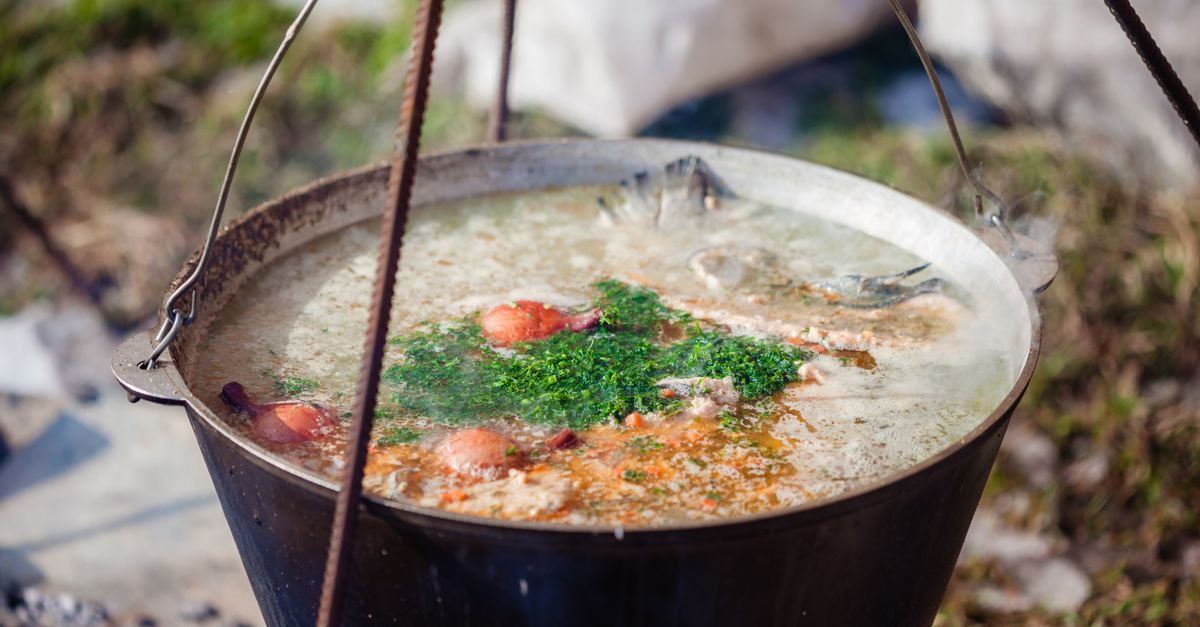
Why Your Homemade Soup Is Bland (And The Flavor Secrets That Changed Everything For Me)
There’s nothing quite like a steaming bowl of homemade soup on a chilly evening. The promise of warmth, comfort, and deep, nourishing flavor. Yet, if you’re like most home cooks I know, including my past self, you’ve probably experienced the crushing disappointment of a soup that, despite all your efforts, just tastes… flat. Bland. Like it’s missing something.
I used to meticulously follow recipes, chopping, simmering, and stirring, only to end up with a watery, one-note broth that barely hinted at the vibrant ingredients I’d lovingly prepared. It was frustrating, and honestly, a little disheartening. I’d add more salt, a dash of pepper, maybe even some dried herbs, but the fundamental lack of richness remained. My soups tasted like they’d given up on life, and I was ready to give up on making them.
But then, through years of experimentation, a few kitchen disasters, and picking the brains of some truly gifted home cooks, I stumbled upon a series of non-obvious techniques and ingredients that transformed my soup game entirely. These aren’t just about adding more of something, but about adding the right something at the right time, building layers of flavor that sing. What changed everything for me wasn’t a magic spice, but a shift in understanding how flavors interact and intensify.
Key Takeaways
- Embrace ‘fond’ and char by searing aromatics and meat before adding liquid to build foundational depth.
- Introduce umami bombs like tomato paste, Parmesan rinds, or dried mushrooms early in the cooking process.
- Layer fresh, aromatic herbs at different stages, particularly at the end, for vibrant top notes.
- Don’t underestimate the power of a splash of acidity or a touch of fat to brighten and carry flavors.
The Neglected Power of the Fond and the Char
The biggest mistake I see most often in home soup making is rushing the initial sauté. Most recipes tell you to ‘sauté onions until softened’ or ‘brown the meat.’ While technically correct, this often misses a crucial opportunity to build a profound flavor foundation: the fond and the char.
What changed everything for me was learning to embrace the deep browning – bordering on slight char – of aromatics and meat at the beginning. Think about it: a steak gets its incredible flavor from a hard sear. Why would your soup base be any different? When you gently sauté onions until just translucent, you’re missing out on the complex, caramelized sugars and nutty notes that develop from a more aggressive browning. Those little brown bits stuck to the bottom of your pot? That’s the fond, and it’s pure gold.
Here’s how I do it now: Start with a good splash of olive oil or butter over medium-high heat. Add your chopped onions, carrots, and celery (the mirepoix). Instead of stirring constantly, let them sit undisturbed for a few minutes until you see significant browning on one side, almost a dark golden crust. Then stir and repeat. Don’t be afraid if a few pieces look truly dark – that’s flavor. Do the same for any meat you’re adding. Sear it hard until it develops a beautiful crust, then remove it. This hard sear not only creates flavor in the meat but leaves behind that irreplaceable fond. When you deglaze with a splash of wine or a little broth, those caramelized bits dissolve into the liquid, forming the rich, savory bedrock of your soup. This step alone transformed my bland broths into broths with inherent depth, long before any other ingredients even touched the pot.
Unleash the Umami Bombs Early and Often
Blandness often stems from a lack of savory depth, or umami. While broth provides some, relying solely on it is like expecting a single instrument to play an entire symphony. You need concentrated sources of umami, introduced strategically.
In my experience, the mistake I see most often is adding things like tomato paste or dried mushrooms too late, or not activating their full potential. What changed everything for me was incorporating these umami-rich ingredients before adding liquid, letting them toast and bloom.
- Tomato Paste: After you’ve browned your aromatics and deglazed the pot, push them to one side. Add a tablespoon or two of tomato paste to the exposed hot spot in the pot. Let it cook, stirring constantly, for 2-3 minutes until it darkens in color and smells intensely sweet and slightly brick-like. This step, called ‘caramelizing’ or ‘toasting’ the tomato paste, deepens its flavor significantly, moving it from bright and acidic to rich and savory. Skipping this step leaves you with raw tomato paste flavor, which doesn’t integrate as well.
- Dried Mushrooms: Rehydrated dried mushrooms (like porcini) add a tremendous earthy umami. Don’t just add them rehydrated; chop them finely and sauté them with your aromatics, letting them get a little color. Even better, save the strained soaking liquid and add it to your soup along with your main broth. It’s a concentrated hit of savory goodness.
- Parmesan Rinds: A truly overlooked gem! Drop a leftover Parmesan rind into your simmering soup. It slowly melts, releasing rich, salty, cheesy umami into the broth without making the soup taste overtly cheesy. Just remember to fish it out before serving. It’s a secret weapon for stews and pasta sauces too.
- Anchovy Paste: Don’t fear the anchovy! A tiny squeeze (half a teaspoon) of anchovy paste, dissolved into your sautéed aromatics before adding liquid, provides a massive, undetectable umami boost without any fishy taste. It simply makes everything taste more savory and complex.
These ingredients, when given a moment to develop their flavor at the right stage, weave a tapestry of savory notes that rescue any soup from blandness.
The Nuance of Herbs: Fresh vs. Dried, Early vs. Late
Herbs are often treated as an afterthought, sprinkled in haphazardly. But their timing and form dramatically impact a soup’s flavor profile. What changed everything for me was understanding the dual roles of dried and fresh herbs, and when to deploy each for maximum impact.
- Dried Herbs (Hearty varieties like thyme, rosemary, oregano): These need time to release their essential oils and infuse their flavor. Add them with your aromatics, letting them toast for a minute or two before adding liquid. This gentle toasting wakes up their flavor. If you add them too late, they can taste dusty or raw. The long simmer allows their deeper, earthier notes to develop and meld.
- Fresh Herbs (Tender varieties like parsley, basil, cilantro, chives): These are best added in two stages: a small amount with your aromatics for a subtle background note, and the majority right at the end, just before serving, or even as a garnish. Heat quickly destroys the delicate, bright flavors of fresh herbs. Adding them at the very end preserves their vibrant, peppery, or citrusy top notes, giving the soup a lift and a fresh aroma that combats flatness. A sprinkle of fresh parsley or cilantro over a finished soup isn’t just for looks; it’s a crucial final layer of flavor.
I also learned the power of ‘bruising’ tender herbs like basil or cilantro right before adding them as a garnish. A quick chop or a gentle crush against the cutting board helps release their aromatic oils, making their impact even more potent.
The Brightening Boost: Acidity and Fat
When a soup tastes bland, our first instinct is often to add more salt. While salt is vital, it only enhances existing flavors; it can’t create them. Often, what a bland soup truly needs is a counterpoint – something to brighten and balance the richness. What changed everything for me was realizing the crucial role of acidity and a finishing touch of fat in elevating a soup from merely good to truly spectacular.
- Acidity: A squeeze of lemon juice, a splash of vinegar (red wine, apple cider, or even balsamic), or a dash of hot sauce right at the end of cooking can be transformative. It cuts through richness, wakes up dormant flavors, and adds a zing that makes the whole dish more vibrant and less heavy. Think of it like adding a squeeze of lime to a taco or a vinaigrette to a salad – it provides that essential ‘spark.’ Start with a tiny amount, stir, taste, and add more if needed. You’ll be amazed at how a teaspoon of vinegar can suddenly make your soup sing.
- Finishing Fat: While you start with fat to build flavor, a final drizzle of a good quality fat can add richness and carry aromas to your palate. A swirl of extra virgin olive oil, a dollop of crème fraîche or sour cream, a pat of butter, or even a spoonful of pesto can make a huge difference. This isn’t about greasiness; it’s about adding a luxurious mouthfeel and enhancing the aromatic experience. The fat acts as a vehicle for the fat-soluble flavor compounds, making the soup taste fuller and more satisfying. For a creamy soup, a final swirl of heavy cream can also achieve this, but even a clear broth benefits from a touch of good oil.
The Art of Seasoning and the Final Taste Test
Many home cooks season once, early on, and then forget about it. Big mistake. Salt is especially important, as it draws out and enhances the natural flavors of all your ingredients. But it’s a dynamic ingredient, changing in impact as liquids reduce and flavors concentrate. What changed everything for me was adopting a multi-stage seasoning approach and a truly intentional final taste test.
- Season in Layers: Add a pinch of salt when sautéing aromatics, another when browning meat, and then season the broth to taste after it’s simmered for a while. As the soup reduces, the salt will concentrate, so be cautious. It’s always easier to add more salt than to remove it.
- Consider the Salt Sources: If you’re using salty ingredients like bacon, cured meats, or even certain canned broths, adjust your added salt accordingly. Taste often.
- The Intentional Taste Test: This is where most bland soups can be saved. Right before serving, take a small spoonful of your soup. Let it cool slightly, then truly focus on its flavor. Does it taste flat? Too salty? Too acidic? Too watery? This is the moment to make final adjustments.
- Still bland after all these steps? It likely needs more salt, or perhaps another umami boost (a dash of soy sauce or Worcestershire can work wonders here if compatible with the flavor profile). It might also need a touch more acidity to brighten it. Sometimes, a tiny pinch of sugar can also balance savory notes, especially with tomato-based soups.
- Too salty? Add a raw potato and simmer for 15 minutes, then remove. Or, if the flavor profile allows, dilute with unsalted broth or water. A squeeze of lemon or a dollop of cream can also help balance it.
- Too thin? Simmer longer to reduce, or thicken with a cornstarch slurry, a roux, or puréed vegetables (like a cooked potato or some of the soup’s own vegetables). Blending a portion of the soup itself is my favorite natural thickener.
My personal rule now is to never serve a soup without a final, critical taste test and a willingness to make adjustments. It’s the difference between a passable meal and a truly memorable one.
Frequently Asked Questions
Q: Can I fix a bland soup after it’s already cooked? A: Absolutely! Don’t despair. Start with the ‘umami bombs’ and ‘brightening boost’ techniques mentioned above. Sauté some tomato paste, add a Parmesan rind, or a dash of soy sauce. Finish with a squeeze of lemon or a splash of vinegar. A sprinkle of fresh herbs at the end also works wonders.
Q: What if my soup is too salty? A: The classic trick is to add a peeled, raw potato to the simmering soup for 15-20 minutes, then remove it. The potato will absorb some of the excess salt. You can also dilute the soup with unsalted broth or water. A squeeze of lemon juice or a dollop of plain yogurt/sour cream can also help balance the salty taste.
Q: How do I get more depth of flavor without using meat? A: For vegetarian or vegan soups, focus heavily on the fond and char from vegetables like onions, carrots, and mushrooms. Maximize umami with roasted vegetables (especially mushrooms, tomatoes, and garlic), a good quality vegetable broth (or better yet, homemade vegetable stock), nutritional yeast, soy sauce, miso paste, and plenty of browned tomato paste. Dried porcini mushrooms and their soaking liquid are also incredibly potent.
Q: Should I use fresh or dried herbs for soup? A: Both have their place. Hearty dried herbs (thyme, rosemary, oregano) are best added early to simmer and release their flavor. Delicate fresh herbs (parsley, cilantro, basil) are best added at the very end or as a garnish to preserve their bright, volatile aromas. A combination often yields the most complex flavor.
Q: What’s the secret to a rich, silky broth? A: The secret lies in slow simmering and proper ingredient extraction. For meat-based broths, bones with connective tissue (like chicken backs or beef shanks) release gelatin, which adds body and mouthfeel. For any soup, allowing it to simmer gently for an extended period (1-2 hours for vegetable-heavy soups, 3+ for bone broths) allows flavors to meld and deepen. And don’t forget that final touch of fat and acidity to brighten it up.
Making soup that truly sings isn’t about fancy ingredients; it’s about technique and intention. By paying attention to the initial browning, layering umami, timing your herbs, and making those crucial final adjustments with acidity and fat, you’ll transform your bland broths into bowls of comforting, rich, and deeply satisfying flavor. It’s a journey I took, and one I promise is well worth it for every home cook.
Written by Clara Thorne
Home & Hearth, Personal Organization
A former university archivist with a passion for unearthing forgotten practices and making them accessible.
You Might Also Like

Why Your Homemade Yogurt Lacks That Tangy Kick (And The Simple Shifts That Guarantee Complex Flavor)
Discover why your homemade yogurt falls flat on flavor and learn the simple, expert-backed techniques to achieve truly tangy, delicious results.
Why Your Homemade Sauces Are Breaking (And The Pro Secrets for Silky Smooth Perfection Every Time)
Ever wonder why your homemade sauces split or curdle? Learn the pro secrets to achieve silky smooth, stable sauces every time. Stop breaking your emulsions!

Why Your Homemade Pizza Crust Is Soggy (And What Actually Works for Pizzeria-Quality Crisp)
Tired of soggy homemade pizza? Discover the non-obvious mistakes sabotaging your crust and the pro tips for pizzeria-level crispness.