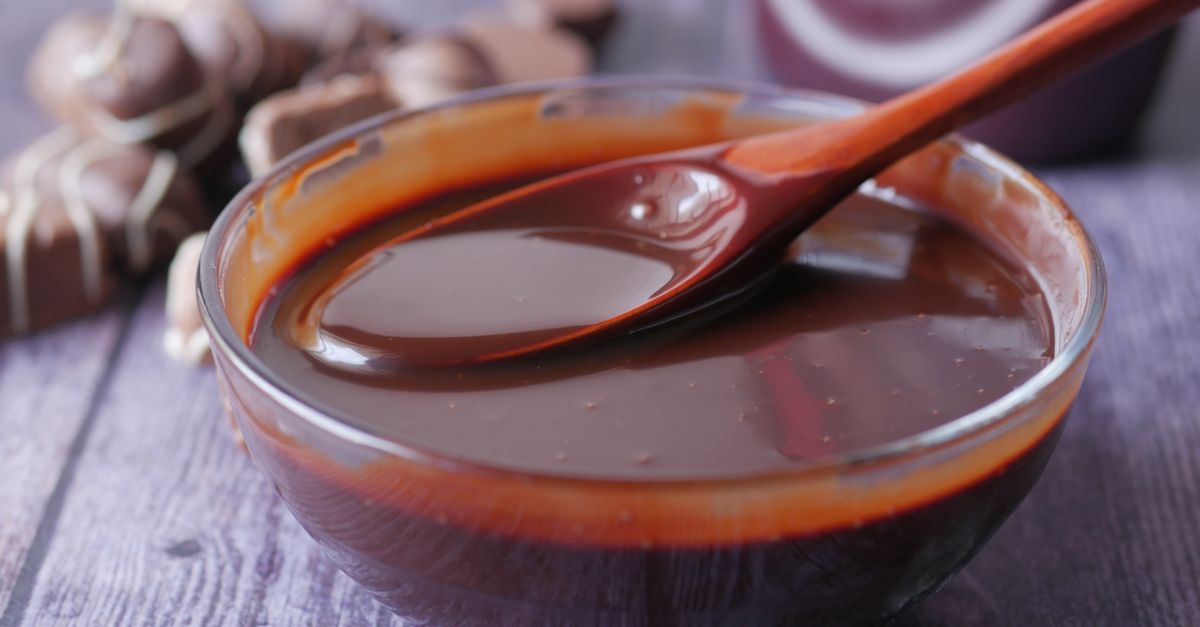
Why Your Homemade Sauces Are Watery (And The Pro Secrets for Rich, Velvety Perfection Every Time)
Are you tired of pouring your heart into a homemade sauce, only to find it pooling mournfully on the plate, refusing to cling to your pasta or coat your chicken? You follow the recipe, you stir with anticipation, yet the consistency is more ‘sad broth’ than ‘luxurious velvet.’ I’ve been there, staring at a watery marinara or a thin pan sauce, wondering where I went wrong. It’s a common frustration in the home kitchen, and in my experience, it rarely boils down to a single issue. It’s often a combination of subtle missteps that, when corrected, transform your sauces from forgettable to phenomenal.
What changed everything for me wasn’t a magic ingredient or an obscure technique, but a deeper understanding of why sauces thicken (or fail to). Most recipes assume you inherently know how to coax out rich body and glossy sheen, but that’s a skill developed over time. This isn’t about adding more flour; it’s about mastering foundational culinary principles that guarantee professional-level sauces, whether you’re making a simple gravy or a complex demi-glace. You’ll learn the crucial factors often overlooked that make all the difference.
Key Takeaways
- Ensure adequate reduction time and heat to concentrate flavors and naturally thicken sauces.
- Master the proper use of roux or slurry by cooking them thoroughly to avoid a raw flour taste and maximize thickening power.
- Incorporate emulsifiers like butter or cream late in the cooking process to add richness and stability without excessive thickening.
- Avoid overcrowding the pan and maintain high heat to facilitate browning and prevent excess moisture release from ingredients.
The Overlooked Power of Reduction: It’s Not Just for Volume
Many home cooks see reduction as simply boiling down a liquid to lessen its quantity. While that’s part of it, the true magic of reduction for sauces is concentration of flavor and natural thickening through evaporation. In my experience, this is the single most undervalued technique. I used to rush this step, thinking a few minutes of simmering was enough. I was wrong.
Think about a classic tomato sauce. If you just simmer crushed tomatoes for 20 minutes, you’ll have tomato-flavored water. But if you allow it to gently bubble and reduce over an hour or two, the water content slowly evaporates, leaving behind concentrated tomato solids. These solids, along with the natural pectins and sugars, naturally thicken the sauce and intensify its taste. The same principle applies to pan sauces, gravies, and even delicate beurre blancs.
The mistake I see most often is inadequate heat during reduction. A gentle simmer is good for infusing flavors, but for significant thickening, you need a more vigorous simmer or a controlled boil. This creates more surface agitation, which increases evaporation. For example, when I’m making a pan sauce after searing chicken, I’ll deglaze with wine or stock and then let it boil for several minutes, aiming to reduce it by at least half, sometimes even two-thirds. You’ll notice the sauce clinging to the spoon, coating the back rather than running off immediately. This visual cue is far more reliable than a timer.
Actionable Tip: Don’t just simmer; actively reduce. For most savory sauces, aim to reduce the liquid by at least 30-50% at a medium-high boil. Keep a close eye on it, especially towards the end, as it can go from perfect to too thick very quickly. The flavor will be dramatically deeper, and the texture will be naturally richer without relying on additional thickeners.
The Roux and Slurry Blunder: Timing and Thorough Cooking are Everything
When reduction alone isn’t enough, or when you need a quick thickening agent, roux (flour cooked in fat) and slurries (starch mixed with cold liquid) are invaluable. However, they are also ripe for common mistakes that lead to watery, or worse, gummy and raw-tasting sauces.
The biggest error with roux is not cooking it long enough. A perfectly cooked roux develops thickening power and a nutty flavor; an undercooked one imparts a raw flour taste and provides minimal thickening. I used to add my liquid to the roux too quickly, resulting in lumps and a pasty texture. Now, I always cook my flour and fat mixture for at least 2-3 minutes on medium-low heat for a white roux, and longer for blond or brown roux, stirring constantly until it reaches the desired color and smells faintly nutty, not floury. This thoroughly cooks the starch granules, allowing them to fully hydrate and thicken the sauce effectively.
With slurries (cornstarch or arrowroot mixed with water), the common pitfall is adding them to a sauce that isn’t hot enough, or adding too much too fast. Slurries thicken rapidly, almost instantly. If your sauce isn’t at a boil when you whisk in the slurry, it won’t activate properly. Furthermore, adding it all at once can lead to an overly thick, gloopy result. In my kitchen, I always add a slurry a little at a time, whisking vigorously, and letting the sauce return to a boil for at least a minute to ensure the starch has fully thickened and cooked out any raw flavor. Cornstarch also has the unique property of breaking down if overcooked or held at a high temperature for too long, leading to a watery sauce again. For sauces you plan to hold or reheat, a roux or alternative thickener might be a better choice.
Actionable Tip: When using a roux, cook it until it smells nutty and loses its raw flour scent before adding liquid. When using a slurry, ensure your sauce is at a rolling boil and add the slurry gradually, whisking constantly. Allow it to boil for at least a minute to fully activate the starch. If reheating a cornstarch-thickened sauce, do so gently and avoid prolonged boiling.
The Emulsification Enigma: Adding Richness Without Relentless Thickening
Sometimes, a sauce isn’t necessarily watery, but it lacks body, richness, and that desirable glossy sheen. This is where emulsification comes in, often misunderstood as a primary thickening method, but crucial for sauce texture. An emulsion is a stable mixture of two liquids that normally don’t mix, like oil and water. In sauces, this often means incorporating fat (like butter or cream) into a liquid base.
I vividly remember making a lemon butter sauce that was always thin and separated. The butter would melt, but it wouldn’t become one with the lemon juice. The mistake was adding cold butter too early or too quickly to a hot, boiling liquid. For a truly velvety, emulsified sauce, like a beurre blanc or a pan sauce finished with butter, the technique is specific.
The key is to incorporate cold butter, piece by piece, into a warm (not boiling) reduced liquid at the very end of the cooking process. The cold butter helps stabilize the emulsion, and adding it gradually allows the fat to be incorporated without breaking. Whisking continuously is critical here. Similarly, if I’m adding cream, I ensure it’s warmed gently or added gradually to a simmering (not boiling) sauce to prevent it from splitting and to help it integrate smoothly, lending a luxurious mouthfeel and visual body without heavily altering the sauce’s inherent thickness.
Actionable Tip: To add richness and sheen, finish your sauces off the heat or at a very gentle simmer by whisking in cold butter, one piece at a time. For cream, incorporate it gradually into a simmering sauce, stirring until fully integrated. This creates a stable emulsion that adds body and gloss, elevating the entire sauce without relying on starches.
The Overcrowded Pan Peril: Too Much Moisture, Too Little Flavor
This is a common, almost unconscious mistake, especially for busy home cooks trying to get dinner on the table. You’re making a sauce that involves sautéing vegetables or searing meat, and you pack the pan full to save time. In my early days, I was guilty of this all the time. The result? Steamed, rather than browned, ingredients, and a pool of liquid at the bottom of the pan that was almost impossible to cook off.
When a pan is overcrowded, the temperature drops rapidly. Instead of getting direct heat that causes the Maillard reaction (browning, which develops incredible flavor and complexity), ingredients release their moisture and essentially steam in their own juices. This excess moisture then makes it incredibly difficult for your sauce to thicken later, as you’re starting with a much higher water content than intended.
Consider a Bolognese sauce. If you cram all the ground meat and vegetables into a single pan, they’ll just boil. You won’t get that deep, rich browned flavor, and the liquid released will dilute your sauce from the get-go. Instead, browning in smaller batches allows moisture to evaporate quickly, giving your ingredients a beautiful sear and creating flavorful fond (the browned bits at the bottom of the pan) that will be deglazed into the sauce later, adding immense depth and aiding in natural thickening.
Actionable Tip: Always sauté and sear ingredients in batches if your pan isn’t large enough. Ensure there’s space between items to allow moisture to escape and browning to occur. This not only builds a deeper flavor foundation but also prevents excess liquid from diluting your sauce from the outset, making subsequent thickening much easier and more effective.
Frequently Asked Questions
Q: My sauce tasted great, but it was still too thin. Can I save it after it’s done cooking?
A: Absolutely! If your sauce is already cooked and tastes good but is too thin, you have a few options. The simplest is to return it to the heat and gently reduce it further (allow more water to evaporate). If you need quicker thickening, create a slurry with a small amount of cornstarch or arrowroot mixed with cold water, then slowly whisk it into your simmering sauce, letting it boil for at least a minute to thicken. Another option for creamy sauces is to whisk in a knob of cold butter or a splash of heavy cream off the heat for richness and body through emulsification.
Q: How do I know when my sauce is thick enough?
A: The ‘nappe’ test is a classic chef’s technique. Dip a spoon into your sauce, then draw a line across the back of the spoon with your finger. If the line remains clear and the sauce doesn’t immediately run back together, it’s thick enough to ‘nappe’ (coat) your food. Visually, it should cling to ingredients, not run off them. The ideal consistency depends on the sauce and its intended use, but the spoon test is a great indicator.
Q: What’s the difference between using flour and cornstarch for thickening?
A: Both are starches, but they behave differently. Flour (in a roux) thickens gradually and provides an opaque, velvety texture. It’s stable and good for sauces you want to simmer for a while or reheat. Cornstarch (in a slurry) thickens rapidly and creates a more glossy, translucent finish. However, it can break down if overcooked or frozen, becoming watery again. Arrowroot is similar to cornstarch but more stable for freezing and provides a clearer finish, often preferred for fruit sauces. For savory sauces, flour (roux) is often my go-to for its stability and opaque finish, while cornstarch is great for quick, last-minute adjustments.
Q: My sauce has lumps! How can I fix it?
A: Lumps usually occur when starch is added directly to hot liquid without being properly dispersed (like a dry flour or cornstarch added straight in) or when liquid is added too quickly to a roux. To fix it, first try whisking vigorously off the heat to break them up. If that doesn’t work, carefully pass the sauce through a fine-mesh sieve to remove the lumps. You might lose some solids, but it’s effective. Alternatively, for a really stubborn case, an immersion blender can often smooth out a lumpy sauce.
Q: Can I use vegetable purées to thicken sauces naturally?
A: Yes, absolutely! Puréed cooked vegetables like roasted red peppers, butternut squash, or even sautéed onions can add incredible body, flavor, and natural thickness to sauces. This is an excellent way to thicken sauces without adding extra starch or fat. For example, I often add a portion of reserved roasted vegetables, puréed, back into a broth-based sauce to give it a creamy texture and depth. It’s a healthier and often more flavorful alternative, especially for vegetable-forward sauces.
The Velvety Truth: From Watery Woes to Culinary Wins
Moving from watery sauces to those that beautifully coat your food is more than just a technique; it’s a fundamental shift in how you approach cooking. It transforms your dishes from ‘good enough’ to ‘restaurant-quality’ without adding complicated steps. I know the frustration of pouring a thin, disappointing sauce over a perfectly cooked meal. But by understanding the science behind reduction, mastering your thickeners, harnessing the power of emulsification, and avoiding the overcrowded pan, you’ll unlock a new level of confidence in the kitchen.
These aren’t just tips; they’re the foundational principles that empowered me to create sauces that not only taste incredible but also look the part. Start by focusing on adequate reduction in your next pan sauce, and then gradually experiment with properly cooked roux or slurries. You’ll be amazed at the difference it makes. Your pasta, your proteins, and your palate will thank you.
Written by Clara Thorne
Home & Hearth, Personal Organization
A former university archivist with a passion for unearthing forgotten practices and making them accessible.
You Might Also Like

Why Your Homemade Yogurt Lacks That Tangy Kick (And The Simple Shifts That Guarantee Complex Flavor)
Discover why your homemade yogurt falls flat on flavor and learn the simple, expert-backed techniques to achieve truly tangy, delicious results.
Why Your Homemade Sauces Are Breaking (And The Pro Secrets for Silky Smooth Perfection Every Time)
Ever wonder why your homemade sauces split or curdle? Learn the pro secrets to achieve silky smooth, stable sauces every time. Stop breaking your emulsions!
Why Your Homemade Pizza Crust Is Soggy (And What Actually Works for Pizzeria-Quality Crisp)
Tired of soggy homemade pizza? Discover the non-obvious mistakes sabotaging your crust and the pro tips for pizzeria-level crispness.