Why Your Homemade Sauces Are Breaking (And The Pro Secrets for Silky Smooth Perfection Every Time)
Are you staring at a beautiful hollandaise that’s suddenly turned into an oily mess? Or perhaps your delicate cream sauce for pasta has inexplicably curdled, leaving you with lumps and separated liquid? I know the frustration. For years, my sauces were a culinary roulette. Sometimes they’d be perfectly smooth and luscious, other times they’d revolt, leaving me with a broken, unappetizing puddle that made me want to throw the pan across the kitchen. It’s a common problem that plagues even experienced home cooks, and the internet is rife with generic advice that often misses the mark. You’ve probably tried whisking harder, adding more liquid, or praying to the culinary gods – all to no avail.
But here’s the truth: sauce breaking isn’t a mystery; it’s a science. And once you understand the core principles, you can confidently produce velvety, emulsified sauces every single time. It’s about understanding the subtle interplay of fat, liquid, and temperature, and the crucial moments where things can go wrong. The mistake I see most often is treating all sauces the same, or failing to address the fundamental reasons why ingredients resist blending. What changed everything for me was a deeper dive into the ‘why’ behind the ‘what’ – truly grasping the mechanisms of emulsion and stabilization.
Key Takeaways
- Ensure all ingredients are at the correct temperature (often room temperature) to prevent shocking and aid emulsion.
- Introduce fats and liquids gradually, whisking constantly to build stable bonds, especially with delicate emulsions.
- Utilize stabilizing agents like egg yolks or starches thoughtfully to reinforce sauce structure and prevent separation.
- Avoid overheating delicate sauces; gentle, consistent heat is critical to maintain integrity and prevent curdling.
The Overlooked Temperature Mismatch: Your Sauce’s Silent Killer
This is hands down the most common culprit behind broken sauces, especially for delicate emulsions like hollandaise, mayonnaise, or béarnaise. Imagine trying to mix oil and water; they resist each other. Now imagine trying to mix very cold oil with very hot liquid – it’s an even greater battle. A significant temperature disparity between your ingredients will almost guarantee a broken sauce. When cold ingredients hit a hot base (or vice-versa), it can shock the fats and liquids, causing them to separate rather than emulsify. The fat molecules seize up, unable to properly disperse throughout the liquid.
In my experience, trying to rush a hollandaise by adding cold butter to warm egg yolks is a recipe for disaster. The butter solidifies too quickly, forming clumps instead of integrating smoothly. Similarly, adding cold cream directly to a simmering pan can cause it to curdle, particularly if the sauce is acidic. The cold liquid causes the milk proteins to clump together. The solution here is deceptively simple: bring your ingredients to the correct temperature before combining them. For butter-based emulsions like hollandaise, the butter should be warm (not boiling hot, which can cook the yolks) and the egg yolks at room temperature. For cream sauces, let your cream sit out for 10-15 minutes to take the chill off, or gently warm it in a separate saucepan before adding it to your main sauce. This small act of foresight removes a massive hurdle for successful sauce making. It allows the fat and liquid molecules to interact more gently and form a stable, homogeneous mixture, saving you significant grief and wasted ingredients.
The Fatal Flaw of Hasty Additions: Rushing the Emulsion
We’ve all been there: you’re whisking away, eager to see that beautiful transformation into a luscious sauce, and you pour in your next ingredient with a flourish. This impatience is a primary cause of broken emulsions. Whether it’s adding butter too quickly to egg yolks, or oil too rapidly when making mayonnaise, rushing the addition of fat or liquid prevents the tiny droplets from properly dispersing and bonding. An emulsion is essentially a suspension of one liquid in another (like oil in water), stabilized by an emulsifying agent (like lecithin in egg yolks or proteins in milk). If you add the dispersed phase (e.g., oil) too quickly, the continuous phase (e.g., egg yolks and acid) gets overwhelmed and can’t surround and stabilize all the incoming droplets. They clump together, and your sauce breaks.
What truly changed my sauce game was understanding the power of the slow, steady stream (or dime-sized additions). For mayonnaise, I learned to add oil literally drop by drop at the beginning, whisking constantly until a thick base formed. Only then could I add it in a very thin, continuous stream. For enriching cream-based sauces with butter, I now add cold butter cubes one at a time, whisking each piece until it’s fully melted and incorporated before adding the next. This methodical approach ensures that the emulsifying agents have time to do their job, creating countless tiny fat droplets suspended evenly throughout the liquid. This patient method builds a strong, stable emulsion from the ground up. It’s tedious, yes, but the silky-smooth, perfectly cohesive result is always worth the extra minute or two of careful attention. Think of it as building a strong foundation for a house – you wouldn’t pour all the concrete at once and expect it to hold.
Overheating & Over-Reduction: The Enemy of Delicate Proteins
Many sauces rely on delicate proteins, particularly from eggs or milk, for their structure and body. Excessive heat is the absolute arch-nemesis of these proteins. When egg yolks or milk proteins are subjected to too high a temperature, or held at a high temperature for too long (over-reduction), they denature and coagulate. This causes them to clump together and expel the liquid they were holding, leading to that unappetizing curdled or broken appearance. A perfectly smooth sauce can turn grainy and separated in seconds if the heat isn’t managed correctly.
I used to think ‘simmering’ meant ‘almost boiling.’ That misconception led to many broken cheese sauces (béchamel with cheese added) and custards. The key is gentle, consistent, and controlled heat. For egg-yolk-thickened sauces (like crème anglaise or lemon curd), cooking au bain-marie (over a double boiler) or very gently over low heat, constantly stirring, is critical. The moment you feel the slightest thickening, or see steam, remove it from the direct heat. For cream sauces, avoid a rolling boil once dairy is added. Instead, a gentle simmer, just barely bubbling, is sufficient to thicken without causing the proteins to seize. If you’re reducing a sauce, be mindful of how much liquid you’re driving off; too little liquid remaining can also cause fats to separate. Learning to recognize the subtle cues – a slight resistance in the whisk, the first wisp of steam – will tell you when a sauce is reaching its perfect consistency, and more importantly, when to pull it from the heat before it breaks. It’s a delicate dance, but one that ensures a smooth, luscious finish.
Ignoring Acidity and Stabilizers: A Recipe for Instability
Some sauces are inherently more prone to breaking due to their composition, often involving higher fat content or a combination of ingredients that naturally resist emulsification. This is where understanding acidity and the strategic use of stabilizers becomes paramount. Ignoring these elements leaves your sauce vulnerable to separation, especially when reheating or holding. For instance, high acidity can sometimes cause milk proteins to curdle, leading to a broken cream sauce if not handled carefully.
What I’ve learned is to proactively think about stabilization. When making a tomato cream sauce, adding a pinch of baking soda to the tomato base first can neutralize some acidity, preventing the cream from curdling when added. For delicate emulsions that might be reheated, like a cheese sauce, incorporating a small amount of a starch (like cornstarch or flour, properly cooked out) provides additional stability. Starch granules absorb liquid and swell, creating a matrix that physically prevents fat and water from separating. For egg-based sauces, a touch of mustard (for hollandaise) or a tiny amount of cream of tartar can aid in forming a more stable emulsion. These aren’t just add-ins; they are structural engineers for your sauce. They provide the scaffolding that keeps the emulsion strong, even under less-than-ideal conditions. Don’t be afraid to experiment with these, understanding their role empowers you to build more resilient and consistently smooth sauces, moving beyond mere luck in the kitchen.
Frequently Asked Questions
Q: My hollandaise broke and looks like curdled eggs with oil. Can I fix it?
A: Yes! Gently warm 1-2 tablespoons of water or lemon juice in a clean bowl. Gradually whisk the broken sauce into this warm liquid, a tiny bit at a time, until it re-emulsifies. You can also try adding a fresh egg yolk to a clean bowl and slowly whisking in the broken sauce.
Q: My cream sauce curdled when I added cheese. What went wrong?
A: This is usually due to high heat and/or adding cold cheese directly. Reduce the heat to low, let the cream warm up, then add finely grated cheese a handful at a time, stirring until each batch is melted and smooth before adding more. Avoid pre-shredded cheese with anti-caking agents, which can also cause a grainy texture.
Q: Why does my butter sauce separate when it cools down?
A: This often happens with pan sauces made directly from pan drippings and butter. As it cools, the fat (butter) solidifies and separates from the liquid. To prevent this, ensure you create a strong emulsion by vigorously whisking in cold butter pieces off the heat after reducing your liquid. Adding a tiny amount of emulsifying agent (like a touch of mustard or a teaspoon of cornstarch slurry) can also help maintain stability upon cooling.
Q: Can I prevent my vinaigrette from separating in the fridge?
A: While complete separation is natural for vinaigrettes (oil and vinegar), you can improve stability. Add a small amount of an emulsifier like Dijon mustard or an egg yolk (for creamy vinaigrettes) when whisking. These help suspend the oil droplets more effectively. Just give it a good shake or whisk before serving.
Q: My sauce has a greasy film on top. What is that, and how do I fix it?
A: That’s usually separated fat. It often happens from overheating, too much fat, or insufficient whisking during emulsification. If it’s a small amount, you can often skim it off. If the sauce is completely broken, try the re-emulsification methods mentioned for hollandaise by slowly whisking it into a small amount of warm water or broth.
Conclusion
Mastering sauces isn’t about magical culinary powers; it’s about respecting the delicate balance of ingredients and processes. By understanding the critical role of temperature, the necessity of gradual additions, the dangers of excessive heat, and the power of strategic stabilization, you can move from sauce roulette to consistent, silky-smooth perfection. These aren’t just tips; they are the fundamental shifts in technique that transformed my own kitchen confidence. Start applying these principles, and you’ll find your sauces consistently delivering that professional, restaurant-quality finish you’ve always craved. Your next step: pick a sauce you’ve struggled with and try one of these techniques. You’ll be amazed at the difference.
Written by Clara Thorne
Home & Hearth, Personal Organization
A former university archivist with a passion for unearthing forgotten practices and making them accessible.
You Might Also Like

Why Your Homemade Yogurt Lacks That Tangy Kick (And The Simple Shifts That Guarantee Complex Flavor)
Discover why your homemade yogurt falls flat on flavor and learn the simple, expert-backed techniques to achieve truly tangy, delicious results.
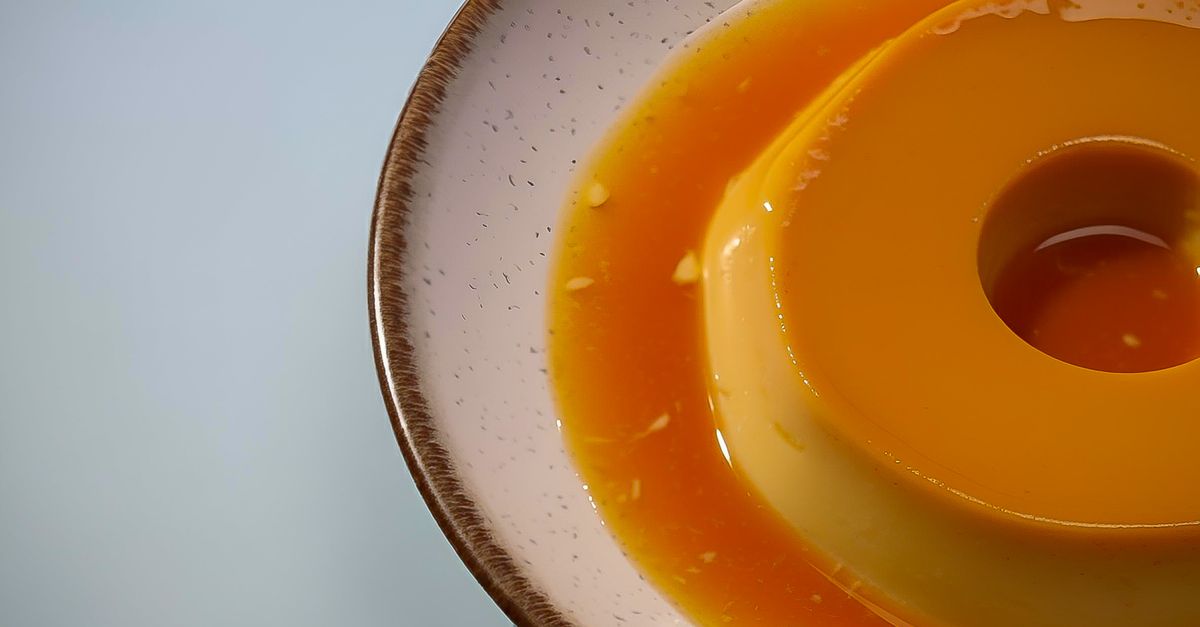
Why Your Homemade Sauces Are Breaking (And The Pro Secrets for Silky Smooth Perfection Every Time)
Ever wonder why your homemade sauces split or curdle? Learn the pro secrets to achieve silky smooth, stable sauces every time. Stop breaking your emulsions!
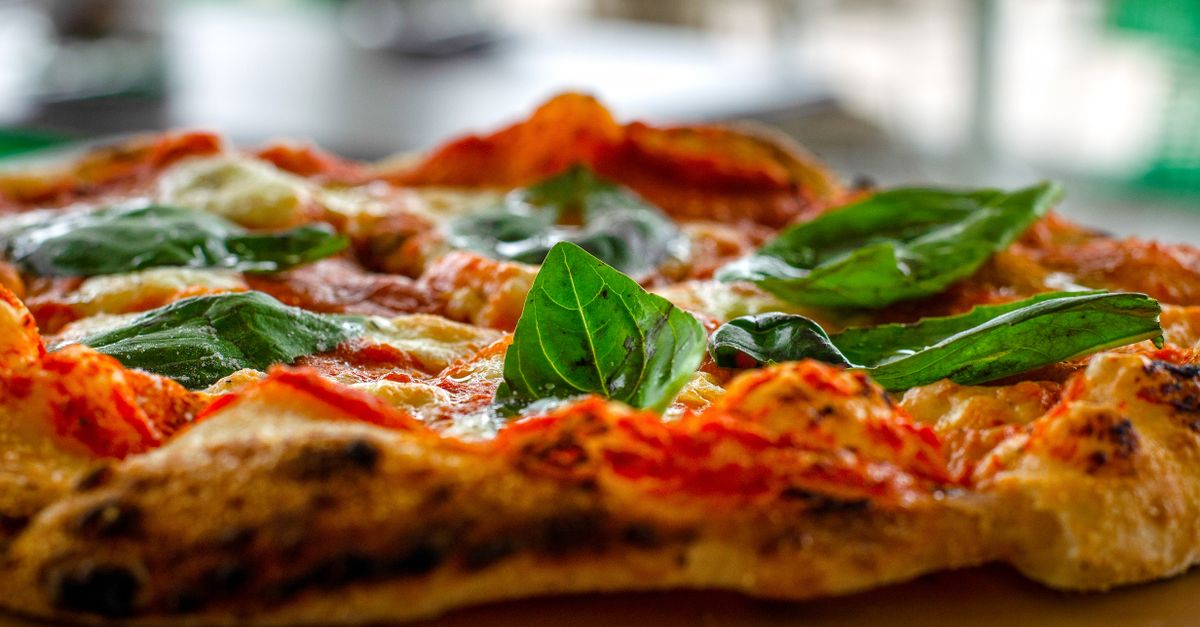
Why Your Homemade Pizza Crust Is Soggy (And What Actually Works for Pizzeria-Quality Crisp)
Tired of soggy homemade pizza? Discover the non-obvious mistakes sabotaging your crust and the pro tips for pizzeria-level crispness.