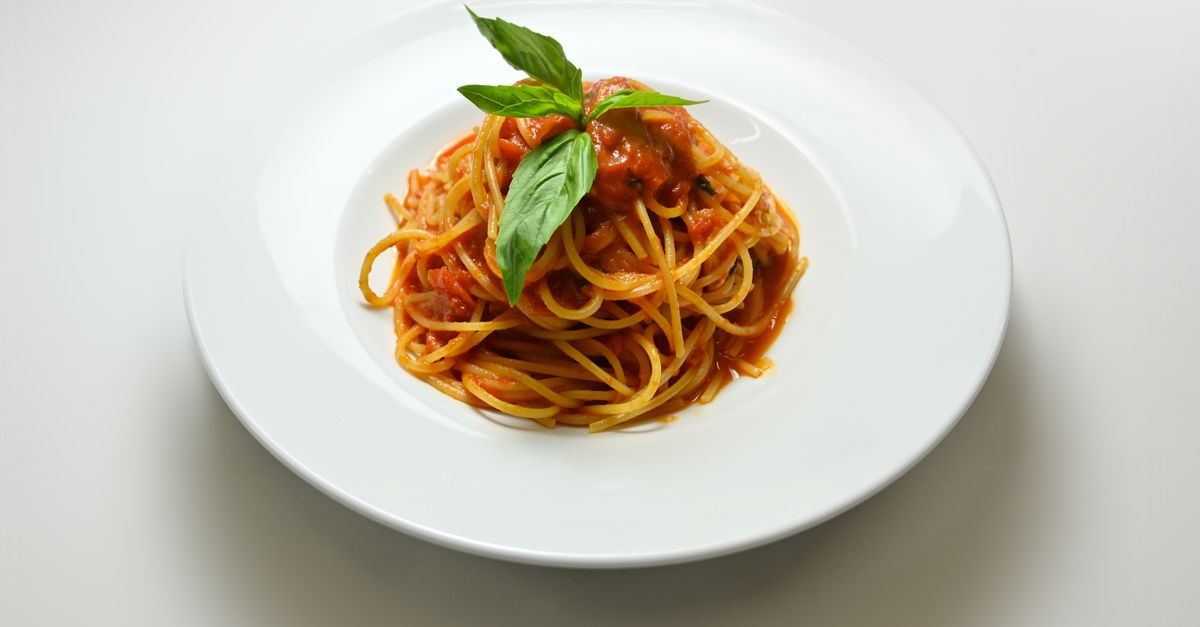
Why Your Homemade Pasta Sauce Lacks Depth (And The Simple Shifts That Deliver Restaurant-Quality Flavor)
You’ve spent time carefully simmering your homemade pasta sauce, perhaps even using fresh tomatoes from the garden. You stir it into your perfectly al dente pasta, take a hopeful bite, and… it’s just okay. It’s missing that deep, complex, satisfying flavor you get at your favorite Italian restaurant. It’s not bad, but it’s certainly not singing. You’ve followed a recipe, added herbs, maybe even a pinch of sugar, but it still tastes flat, one-dimensional, or simply bland. I’ve been there, staring into a pot of promising red liquid, wondering where that elusive ‘umami’ went.
The truth is, achieving truly great pasta sauce isn’t just about throwing ingredients into a pot. It’s about a series of deliberate steps, a dance of temperatures and timings that coax out layers of flavor. The mistake I see most often is rushing these crucial stages, or simply not understanding the foundational building blocks of flavor that transform a good sauce into a great one. What changed everything for me was shifting my focus from just ‘what to add’ to ‘how to develop’ each ingredient’s potential.
Key Takeaways
- Start with properly cooked aromatics, allowing them to deeply caramelize, not just soften.
- Introduce tomato paste early and brown it thoroughly to intensify its sweetness and depth.
- Deglaze with red wine to scrape up caramelized bits, adding complexity and a touch of acidity.
- Use high-quality, whole peeled tomatoes and break them by hand for better texture and flavor.
- Implement a low-and-slow simmer for at least 60-90 minutes, allowing flavors to meld and deepen.
Don’t Just Sauté Aromatics — Caramelize Them
The foundation of any great sauce begins with your aromatics: onions, garlic, carrots, and celery (the soffritto). Most recipes instruct you to ‘sauté until softened’ or ‘cook until fragrant.’ In my experience, this is the first major missed opportunity for flavor development. Softened onions are fine, but deeply caramelized onions are a game-changer. That golden-brown hue on your onions isn’t just aesthetic; it’s a sign of sugar molecules transforming, creating hundreds of new flavor compounds through the Maillard reaction. This is where savory, sweet, and complex notes truly begin.
What to do instead: Start your onions (and carrots/celery if using) in a generous amount of good olive oil over medium-low heat. The key here is low and slow. Don’t rush it. Stir occasionally, allowing the edges to brown gently. This process can take 10-15 minutes, or even longer for a truly deep caramelization, before adding garlic. Once the onions are a rich golden-brown, then add your minced garlic. Cook the garlic for just 1-2 minutes until fragrant; any longer and it will burn and turn bitter, ruining your carefully built foundation. This initial investment of time will pay dividends in the final flavor profile, adding a profound sweetness and depth that mere softening can never achieve.
Brown Your Tomato Paste for a Punch of Umami
Many recipes call for adding tomato paste directly into the pot with other ingredients. This is another critical mistake that leaves your sauce lacking. Tomato paste is concentrated tomato flavor, but it’s also highly acidic and can taste raw if not properly cooked. Just like roasting vegetables or searing meat, browning tomato paste transforms its flavor profile, developing a deeper, sweeter, less acidic, and more umami-rich character. Think of it as waking up the flavor.
What to do instead: After your aromatics are beautifully caramelized and the garlic is fragrant, push them to one side of the pot. Add a tablespoon or two of tomato paste directly to the cleared hot spot in the pot. Let it cook undisturbed for 3-5 minutes, stirring occasionally, until it darkens in color, almost brick red, and begins to stick to the bottom of the pan. You’ll notice a distinct change in aroma as it becomes richer and less sharp. This crucial step reduces the raw acidity and develops layers of concentrated, complex tomato flavor that will permeate your entire sauce. Don’t skip it – it’s a small effort for a huge flavor payoff.
Deglaze with Red Wine (The Secret to Restaurant Depth)
After you’ve browned your tomato paste, you’ll likely have some delicious, sticky bits (known as fond) stuck to the bottom of your pot. These aren’t burnt bits; they are pure flavor gold, packed with concentrated sweetness and umami from the caramelized aromatics and tomato paste. The mistake is leaving them there or, worse, scrubbing them away. The secret to incorporating this flavor into your sauce is deglazing, and using red wine for this step elevates the flavor even further.
What to do instead: Once your tomato paste is properly browned, pour in about half a cup to a full cup of dry red wine (something you’d actually drink, not ‘cooking wine’). The wine will immediately hiss and bubble, loosening those flavorful browned bits from the bottom of the pot. Use a wooden spoon or spatula to scrape vigorously, dissolving all that delicious fond into the liquid. Let the wine simmer and reduce by about half, allowing the alcohol to cook off and the wine’s complex flavors to concentrate. This step adds a layer of acidity and tannic depth that balances the richness of the tomatoes and aromatics, resulting in a more sophisticated, restaurant-quality sauce. If you don’t use alcohol, a good quality vegetable broth or even a bit of water can work, but the wine truly brings unparalleled depth.
Quality Tomatoes, Hand-Crushed for Texture
The type and quality of your tomatoes are paramount, but so is how you handle them. Many home cooks opt for crushed tomatoes from a can, or even worse, puréed tomatoes. While convenient, this often sacrifices both flavor and texture. High-quality whole peeled tomatoes, typically San Marzano or similar Italian varieties, offer a superior, brighter, and less metallic flavor. And how you break them down matters significantly for the final texture of your sauce.
What to do instead: Invest in good quality whole peeled tomatoes. When it’s time to add them to the pot, don’t reach for a food processor or blender. Instead, simply crush them by hand directly into the pot. This might sound messy, but it yields a much more appealing texture – rustic chunks of tomato that provide satisfying bites, rather than a uniformly smooth, somewhat baby-food-like consistency. The uneven texture allows for pockets of concentrated tomato flavor, and visually, it just looks more appetizing and homemade. Also, taste your canned tomatoes directly from the can. If they taste bland, slightly acidic, or tinny, your sauce will inherit those flaws. Good tomatoes are sweet, bright, and taste like sunshine.
The Low-and-Slow Simmer is Non-Negotiable
This is arguably the most crucial step that separates an ‘okay’ sauce from an ‘amazing’ one. Many recipes suggest simmering for 20-30 minutes. While this is enough to combine flavors, it’s rarely enough to truly meld and deepen them. Flavors need time to get acquainted, to intermingle, to soften their sharp edges, and to concentrate. This is especially true for tomato-based sauces, where the natural sugars need time to develop and the acidity to mellow out.
What to do instead: After all your ingredients are in the pot, bring the sauce to a gentle simmer, then immediately reduce the heat to the lowest setting possible. The goal is a barely perceptible bubble, just enough to keep the sauce moving. Cover the pot, but leave a slight crack for steam to escape. Simmer for a minimum of 60-90 minutes, and ideally, for 2-3 hours. Stir occasionally to prevent sticking. During this time, the flavors will deepen dramatically, the sauce will thicken naturally, and the acidity will mellow, resulting in a beautifully balanced, rich, and complex sauce. If your sauce still tastes a bit thin or watery after this, simply remove the lid for the last 30 minutes to allow more moisture to evaporate. This patient approach is the culinary equivalent of letting a good story unfold – the longer it develops, the more satisfying the conclusion.
Frequently Asked Questions
Q: My sauce still tastes too acidic. What can I do?
A: Acidity is a common issue. Ensure you’re browning your tomato paste thoroughly, as this mellows its sharpness. A pinch of sugar can help balance acidity, but often it’s a symptom of not enough caramelization of aromatics or not enough simmering time. A tiny splash of cream or butter at the very end can also cut acidity and add richness, but address the root causes first.
Q: Can I use fresh tomatoes instead of canned?
A: Absolutely! If you have ripe, flavorful fresh tomatoes (like Romas or San Marzanos from your garden), they can make an incredible sauce. However, they’ll need longer cooking time to break down and concentrate their flavor. You may also need to add a bit more tomato paste to achieve the depth you’d get from canned varieties, which are picked at peak ripeness and processed immediately.
Q: What’s the best way to store leftover pasta sauce?
A: Once cooled completely, store your homemade pasta sauce in airtight containers in the refrigerator for up to 5-7 days. For longer storage, it freezes beautifully. Portion it into freezer-safe containers or bags, leaving some headspace, and it will keep for up to 3-4 months. Thaw overnight in the fridge or gently reheat on the stovetop.
Q: Should I add fresh herbs or dried herbs to my sauce?
A: Both! Dried herbs like oregano, basil, and thyme are best added early in the cooking process (often with the aromatics) to allow their flavors to hydrate and release. Fresh herbs, especially delicate ones like fresh basil and parsley, are best stirred in towards the end of the simmering process or even as a garnish just before serving. This preserves their vibrant flavor and aroma, adding a burst of freshness.
Q: My sauce is too thin/too thick. How do I fix it?
A: If your sauce is too thin, simply remove the lid and continue simmering, allowing excess moisture to evaporate. If it’s too thick, add a splash of water, vegetable broth, or even a little pasta cooking water (which contains starch that helps the sauce cling to the pasta) until it reaches your desired consistency. Always adjust seasoning after making any additions.
Crafting a truly flavorful pasta sauce is a rewarding journey that emphasizes patience and understanding of flavor development. By taking these deliberate steps – properly caramelizing your aromatics, browning your tomato paste, deglazing with wine, choosing quality tomatoes, and embracing a long, slow simmer – you’ll move beyond ‘just okay’ to creating a rich, complex sauce that tastes like it came straight from a nonna’s kitchen. Give these techniques a try, and prepare to elevate your weeknight pasta to restaurant-quality heights. Your taste buds will thank you.
Written by Clara Thorne
Home & Hearth, Personal Organization
A former university archivist with a passion for unearthing forgotten practices and making them accessible.
You Might Also Like

Why Your Homemade Yogurt Lacks That Tangy Kick (And The Simple Shifts That Guarantee Complex Flavor)
Discover why your homemade yogurt falls flat on flavor and learn the simple, expert-backed techniques to achieve truly tangy, delicious results.
Why Your Homemade Sauces Are Breaking (And The Pro Secrets for Silky Smooth Perfection Every Time)
Ever wonder why your homemade sauces split or curdle? Learn the pro secrets to achieve silky smooth, stable sauces every time. Stop breaking your emulsions!

Why Your Homemade Pizza Crust Is Soggy (And What Actually Works for Pizzeria-Quality Crisp)
Tired of soggy homemade pizza? Discover the non-obvious mistakes sabotaging your crust and the pro tips for pizzeria-level crispness.