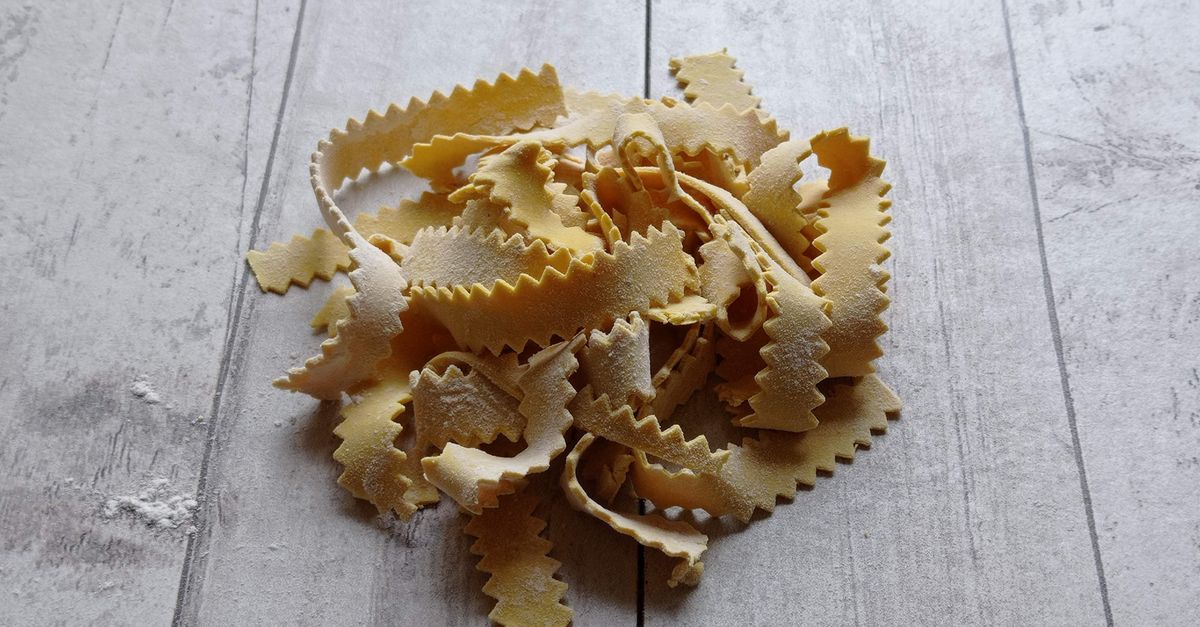
Why Your Homemade Pasta Isn't Al Dente (And The Pro Secrets for Perfect Texture Every Time)
You’ve spent the afternoon carefully kneading dough, rolling it thin, and cutting beautiful strands of pasta. The aroma of fresh flour and eggs fills your kitchen. You drop it into boiling water, anticipation building… only to pull out a batch that’s either disappointingly mushy or stubbornly stiff. It’s a common culinary heartbreak, one I’ve experienced countless times in my own kitchen. The dream of restaurant-quality al dente pasta from scratch often eludes even seasoned home cooks.
In my experience, the biggest mistake people make isn’t with the ingredients or the initial rolling, but in a series of subtle missteps during the final cooking process. Getting that perfect tender-but-firm bite, that satisfying resistance against your teeth, feels like a dark art, but it’s actually a science. It’s about understanding the nuances of hydration, starch, and heat. What changed everything for me was moving beyond generic ‘boil until done’ advice and truly dissecting each step of the cooking process, from the moment the water heats up to the final toss in the sauce.
Key Takeaways
- Ensure your boiling water is intensely salty, mimicking the sea, for optimal pasta flavor and starch release.
- Use a high-ratio of water to pasta (at least 1 gallon per pound) to prevent clumping and maintain a rolling boil.
- Always finish cooking your pasta directly in the sauce for the last 1-2 minutes, allowing it to absorb flavor and reach perfect al dente.
- Save plenty of starchy pasta water to emulsify your sauce, creating a rich, glossy coating for your noodles.
The Salt Problem: Why ‘A Pinch’ Isn’t Enough for Flavor and Texture
The most overlooked, yet foundational, step to perfect pasta is proper salting of the cooking water. I can’t stress this enough: your pasta water should taste like the sea. Not just salty, but intensely salty. Many home cooks add a pinch or a spoonful, thinking they’re doing enough. They’re not. For every pound of pasta, I use a minimum of 1 to 1.5 tablespoons of kosher salt. If you’re using fine sea salt, you might reduce it slightly, but err on the side of generous. This isn’t just about seasoning; it’s about texture too.
The mistake I see most often is undersalting. Pasta, especially fresh pasta, absorbs a significant amount of the cooking water. If that water isn’t properly seasoned, your pasta will taste bland, no matter how delicious your sauce is. But beyond flavor, the salt in the water helps prevent the pasta from becoming overly sticky and contributes to that desirable al dente texture. The osmotic pressure created by the salt helps the pasta retain its shape and firmness, preventing it from turning into a mushy mess. Think of it as pre-seasoning your main ingredient. You wouldn’t season a steak after cooking it in bland water, would you? Treat your pasta with the same respect. Get that water tasting like the Mediterranean, and you’re already halfway to success.
The Crowding Conundrum: Why a Small Pot Leads to Sticky, Soggy Strands
Another critical error is not using enough water. I’ve learned this the hard way: trying to squeeze a pound of fresh pasta into a medium-sized pot is a recipe for disaster. You need a large pot, and plenty of water – at least 1 gallon (4 liters) for every pound of pasta. This might seem excessive, but it’s absolutely crucial for two main reasons.
Firstly, a generous amount of water allows the pasta to move freely, preventing strands from sticking together. When pasta is crowded, it releases starch into a confined space, creating a thick, gummy film that coats the noodles and makes them clump. Secondly, a large volume of water recovers its boiling temperature quickly after the pasta is added. When you add cold or room-temperature pasta to a small amount of boiling water, the temperature drops significantly. This delays the return to a rolling boil, prolonging the cooking time in lukewarm water. This extended period in lower-temperature water leads to uneven cooking, with the exterior of the pasta often becoming soft and mushy before the interior has a chance to cook through to al dente. What changed everything for me was investing in an extra-large stockpot and consistently using ample water. The difference in texture and consistency was immediate and dramatic. A true rolling boil ensures even cooking and prevents the dreaded sticky pasta.
The Sauce-Pan Finish: Why You Should Never Serve Pasta Directly from the Pot
This is perhaps the most significant game-changer for achieving truly perfect al dente pasta that’s also incredibly flavorful. Stop serving pasta straight from the boiling pot onto a plate and then spooning sauce over it. This is a missed opportunity for flavor integration and ideal texture. Instead, pull your pasta from the boiling water about 1-2 minutes before it’s fully al dente, usually when it’s still slightly firm in the center, or ‘molto al dente’ (very al dente).
Immediately transfer the pasta directly into your pan of simmering sauce. Add a ladle or two of that wonderfully starchy pasta water. Now, toss vigorously and continue to cook the pasta in the sauce for those final minutes. The pasta will finish cooking, absorbing the flavors of the sauce and the starchy water will emulsify with the sauce, creating a glossy, rich coating that clings beautifully to every strand. This is how restaurants achieve that deeply integrated flavor and perfect ‘sauce-ability.’ In my experience, this final simmer makes all the difference, transforming good pasta into exceptional pasta. It’s the step that elevates a simple dish to a culinary experience, ensuring every bite is infused with flavor, not just coated.
The Liquid Gold: Why Starchy Pasta Water Is Your Sauce’s Best Friend
Never, ever pour all your pasta water down the drain. This starchy, salty liquid is liquid gold for your sauce. It’s a key ingredient that professional chefs guard fiercely, and you should too. As pasta cooks, it releases starches into the water. This starchy water, when added to your sauce, acts as an emulsifier and thickener. It helps bind the sauce to the pasta, creating a beautiful, glossy, cohesive dish instead of a watery or oily mess.
I always keep at least 1-2 cups of pasta water on hand when making any pasta dish. When you transfer your pasta to the sauce, add a ladleful or two. If your sauce seems too thick or isn’t coating the pasta properly, slowly add more pasta water, tossing constantly, until you reach the desired consistency. The salt in the pasta water also contributes to the overall seasoning of the dish, creating a harmonious flavor profile. This step single-handedly transformed my sauces from good to truly great, giving them that restaurant-quality sheen and richness that makes all the difference. It’s a trick that costs nothing but yields immense flavor and texture dividends.
The Immediate Serve: Why Waiting Ruins Everything
Fresh pasta waits for no one. Once it’s cooked to perfection and tossed in its sauce, it needs to be served immediately. Unlike dried pasta, which has a bit more structural integrity, fresh pasta is delicate. Its texture is at its peak precisely when it achieves that al dente bite and is beautifully coated in sauce. Even a few minutes of waiting can degrade the texture, making it softer, mushier, and less enjoyable.
When I’m making fresh pasta, my rhythm in the kitchen shifts. The sauce is already simmering, plates are warmed, and forks are at the ready. The moment the pasta is perfectly coated and emulsified in the sauce, it goes straight to the table. The mistake I made for years was letting it sit, even for a brief moment, while I ‘finished up’ other things. What changed everything for me was recognizing that the final cooking and serving of fresh pasta is a swift, almost choreographed dance. Don’t let your hard work go to waste by delaying the gratification. Enjoy it hot, fresh, and exactly at its prime.
Frequently Asked Questions
Q: What is the ideal texture for homemade al dente pasta?
A: Al dente, meaning ‘to the tooth’ in Italian, describes pasta that is tender yet firm and slightly resistant when bitten. It should not be mushy or soft, nor should it be hard and chalky in the center. It has a slight chew, indicating it’s cooked through but still has structure.
Q: How do I know when my homemade pasta is al dente?
A: The best way to check is to taste it! Start tasting a minute or two before the estimated cooking time (which for fresh pasta is often just 2-4 minutes). The pasta should be cooked through but still offer a slight resistance when you bite into it. Visually, it should not look translucent or mushy. It requires practice and consistent tasting.
Q: Can I use fresh eggs or only dry ingredients for fresh pasta dough?
A: Fresh pasta dough traditionally uses fresh eggs, flour (often a mix of ‘00’ flour and semolina), and sometimes a little water or olive oil. The eggs provide richness, color, and elasticity, which are crucial for the texture of fresh pasta. While some recipes use only water, egg-based pasta generally yields a superior texture and flavor.
Q: How can I prevent fresh pasta from sticking together before cooking?
A: After cutting, toss your fresh pasta with a light dusting of semolina flour or regular flour. This creates a barrier that prevents sticking. You can then let it dry slightly for 15-30 minutes on a baking sheet lined with parchment paper, or coil it into small nests before cooking. Don’t overdo the flour, or it can make the cooking water cloudy and affect the sauce.
Q: What if my sauce isn’t emulsifying with the pasta water?
A: If your sauce isn’t coming together, it might be due to insufficient fat in the sauce, not enough starch in the water, or the pan isn’t hot enough. Make sure your pasta water is truly starchy (don’t add too much water to your sauce too quickly, as it dilutes starch), and consider adding a bit more fat (like butter or olive oil) to your sauce pan while tossing. Keep the heat on medium-high and toss vigorously to help the emulsion form.
Mastering homemade pasta is a truly rewarding endeavor, and achieving that elusive al dente texture is a testament to your growing culinary skills. By focusing on these often-overlooked details – the oceanic saltiness of your water, the generous volume for boiling, the critical final moments in the sauce, and the magic of starchy pasta water – you’ll transform your pasta dishes from simply good to truly unforgettable. My hope is that these insights empower you to confidently craft perfect, toothsome pasta every single time. Now, go forth and cook with confidence; your perfect pasta awaits!
Written by Clara Thorne
Home & Hearth, Personal Organization
A former university archivist with a passion for unearthing forgotten practices and making them accessible.
You Might Also Like

Why Your Homemade Yogurt Lacks That Tangy Kick (And The Simple Shifts That Guarantee Complex Flavor)
Discover why your homemade yogurt falls flat on flavor and learn the simple, expert-backed techniques to achieve truly tangy, delicious results.
Why Your Homemade Sauces Are Breaking (And The Pro Secrets for Silky Smooth Perfection Every Time)
Ever wonder why your homemade sauces split or curdle? Learn the pro secrets to achieve silky smooth, stable sauces every time. Stop breaking your emulsions!
Why Your Homemade Pizza Crust Is Soggy (And What Actually Works for Pizzeria-Quality Crisp)
Tired of soggy homemade pizza? Discover the non-obvious mistakes sabotaging your crust and the pro tips for pizzeria-level crispness.